

Key Takeaways
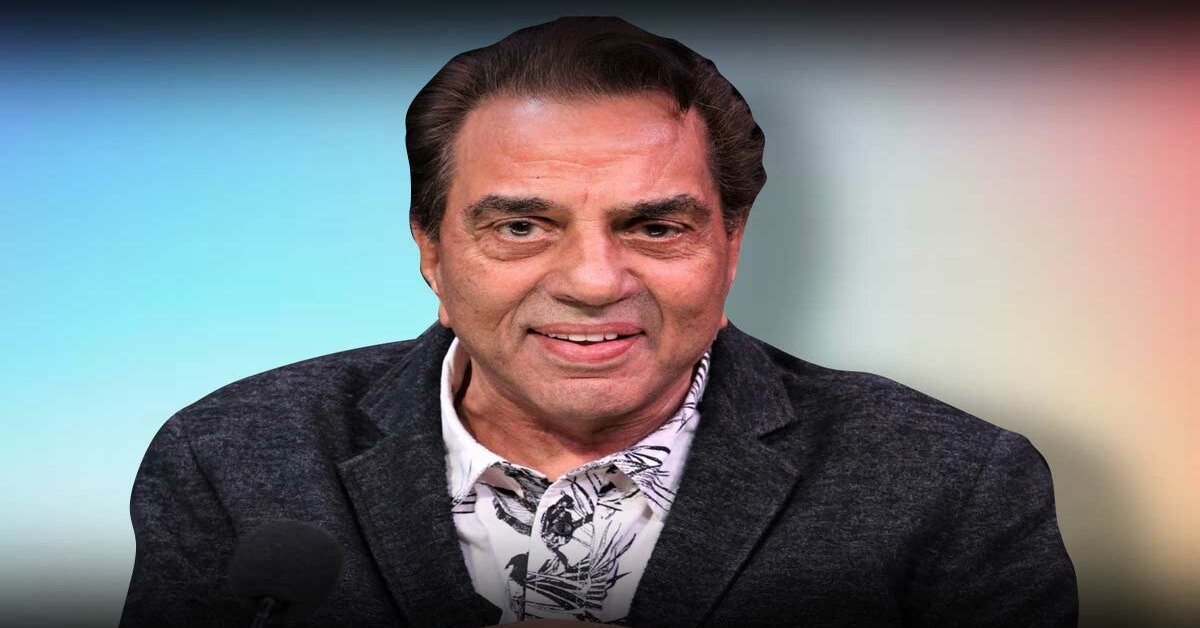
Explore the legacy of Dharmendra, the beloved ‘He-Man’ of Bollywood, who has made remarkable contributions to Indian cinema over six decades. From his iconic roles in films like ‘Sholay’ and ‘Ghayal’ to his off-screen persona grounded in family values, discover the journey of a man whose versatility and charm have made him a cornerstone of the industry. This tribute not only reflects on his unforgettable performances but also highlights his influence on generations of actors and his philanthropic efforts, ensuring that his impact on Bollywood will resonate for years to come.
The Legacy of Dharmendra: A Journey Through Cinema
Dharmendra, often referred to as the ‘He-Man‘ of Bollywood, has left an indelible mark on Indian cinema that spans over six decades. His journey from a modest background in Punjab to becoming one of the most adored actors in the industry is a testament to his enduring popularity and talent. Born on December 8, 1935, Dharmendra was initially drawn to the world of acting while pursuing his education. His breakthrough came with the film ‘Dil Bhi Tera Hum Bhi Tere‘ in 1960, which established him as a promising newcomer in a highly competitive landscape.
Over the years, Dharmendra’s versatility became apparent as he took on a wide array of roles, ranging from intense action heroes to charming romantic leads. Films such as ‘Sholay,’ where he portrayed the rugged yet charismatic Veeru, and ‘Anupama,’ showcasing his capacity for sensitive drama, illustrate his remarkable adaptability. His ability to seamlessly transition from one genre to another has not only demonstrated his range as an actor but also solidified his status as a cornerstone of Bollywood cinema.
Key milestones in his career include his collaborations with renowned filmmakers and actors, which further cemented his legacy. Noteworthy films like ‘Rakhwala,’ ‘Rajput,’ and ‘Kshatriya’ exhibit his commitment to storytelling and his dedication to the craft. Additionally, historical roles and his memorable performances in movies of the 70s and 80s contributed significantly to the identity of Indian cinema, with his larger-than-life persona enchanting audiences across generations.
Beyond his filmography, Dharmendra’s impact on the industry is evidenced by the adoration from fans and the respect he commands among peers. Iconic catchphrases and memorable dialogues from his films continue to resonate with fans, further enhancing his legendary status. His commitment to the Indian film industry has paved the way for future generations of actors, making him an essential figure in Bollywood history.
Memorable Films and Performances
Dharmendra, often referred to as the ‘He-Man’ of Bollywood, is celebrated for his remarkable contributions to Indian cinema. His illustrious career spans over six decades, during which he has delivered a plethora of memorable performances that resonate with audiences on multiple levels. Among his most iconic films, Sholay stands out as a cinematic masterpiece. Released in 1975, this film showcased Dharmendra in the role of Veeru, a charming and fearless character. The film not only garnered immense box office success, but it also remains ingrained in popular culture, largely due to its iconic dialogues and unforgettable scenes.
Another significant film in Dharmendra’s career is Chupke Chupke, a 1975 comedy that highlights his versatility as an actor. Playing the role of a prankster husband, his performance exemplified his comedic timing, which contributed to the film becoming a classic in the romantic comedy genre. This film further demonstrated his ability to transition between intense action roles and lighter, humorous characters, showcasing the range that he possessed as an artist.
Notably, the film Ghayal (1990) marked a critical juncture in Dharmendra’s career, establishing him as a formidable actor in the action film genre. His role as a wronged man seeking justice resonated with audiences and earned him accolades, including the Filmfare Award for Best Actor. This film, acclaimed for its gripping storyline and powerful performances, remains one of Dharmendra’s defining roles, further solidifying his status as a key figure in Indian cinema.
In addition to the above films, Dharmendra’s memorable dialogues have become a cultural phenomenon. Phrases such as “Yeh dosti hum nahi todenge” from Sholay continue to be quoted and celebrated. Each of these films and performances has contributed significantly to Dharmendra’s enduring legacy, making him an integral part of Indian cinema’s history.
The Personal Life of Dharmendra: Behind the Scenes
Dharmendra Singh Deol, widely known as Dharmendra, holds a legendary status in the annals of Bollywood history. Beyond his captivating performances on screen, his personal life reveals a man deeply grounded in family values and traditions. Born on December 8, 1935, in a small village in Punjab, India, Dharmendra rose from humble beginnings. His upbringing instilled in him a strong sense of responsibility, hard work, and respect for others, qualities that defined his character throughout his illustrious career.
Dharmendra married Prakash Kaur in 1954, with whom he has two sons, Sunny and Bobby Deol, both of whom have followed in his footsteps to pursue acting careers. He later married actress Hema Malini in 1980, and they have two daughters, Esha and Ahana. Dharmendra’s relationships with his family members reflect a close-knit bond, frequently celebrated through various public appearances and events. His resilient family ties demonstrate the significance he places on unity and support, both in personal and professional realms.
Moreover, Dharmendra is known for his humility and generosity. His contributions to philanthropy have made a significant impact, with efforts ranging from education to healthcare. He has supported numerous charitable initiatives under his name, including efforts for underprivileged children and disaster relief projects. Additionally, he has ventured into the business realm, including establishing the highly rated film production company, Vijayta Films, which has produced notable works in Indian cinema.
In summary, the multifaceted life of Dharmendra transcends his on-screen persona, revealing a man dedicated to his family, philanthropy, and a vision for a better society. His profound influence in both the cinematic and personal domains showcases the legacy he continues to build beyond the silver screen.
Tributes and Memories: Dharmendra’s Enduring Influence
The passing of Dharmendra, an indelible figure in Bollywood, has elicited a profound outpouring of tributes and memories from fans, fellow actors, and filmmakers alike. His unique charisma not only shaped his career but also left an indelible mark on Indian cinema’s landscape. Colleagues and admirers have highlighted Dharmendra’s versatility as an actor, his larger-than-life persona, and his remarkable ability to resonate with audiences across generations. As they reflect on his films, a common theme emerges: the profound impact he had in setting standards for masculinity and heroism in the industry.
Many actors, both established and aspiring, have shared their memories of working with Dharmendra. Renowned for his generosity and warmth, he served as both a mentor and inspiration to several burgeoning talents. His journey from humble beginnings to becoming the “He-Man of Bollywood” illustrates a tale of resilience that resonates deeply within the industry. Furthermore, his iconic roles in films such as “Sholay” and “Chupke Chupke” remain timeless, often referenced by filmmakers striving to capture the essence of storytelling in their works.
In addition, filmmakers have expressed admiration for his contributions to cinema, citing his professionalism and dedication as pivotal in defining the narrative style of action and drama prevalent in the 20th century. Dharmendra’s charm transcended the silver screen, as he captivated audiences with his engaging personality and magnetic presence. His influence extends beyond his films; he has become a symbol of integrity and hope, showcasing the values of hard work and perseverance.
As the memories of Dharmendra are shared and celebrated, they serve as a testament to his enduring influence. His legacy will surely inspire future generations of talent, ensuring that the mark he left on Bollywood remains vibrant and influential for years to come.



Razorpay RBI Nod: A Game-Changer for India's Global Payment
November 24, 2025[…] one of India’s leading payment solutions providers, has officially secured approval from the Reserve Bank of India (RBI) […]
webpage
November 24, 2025We stumbled over here from a different page and thought I might check things out.
I like what I see so now i am following you.
Look forward to looking into your web page again.