Physical Address
304 North Cardinal St.
Dorchester Center, MA 02124
Physical Address
304 North Cardinal St.
Dorchester Center, MA 02124

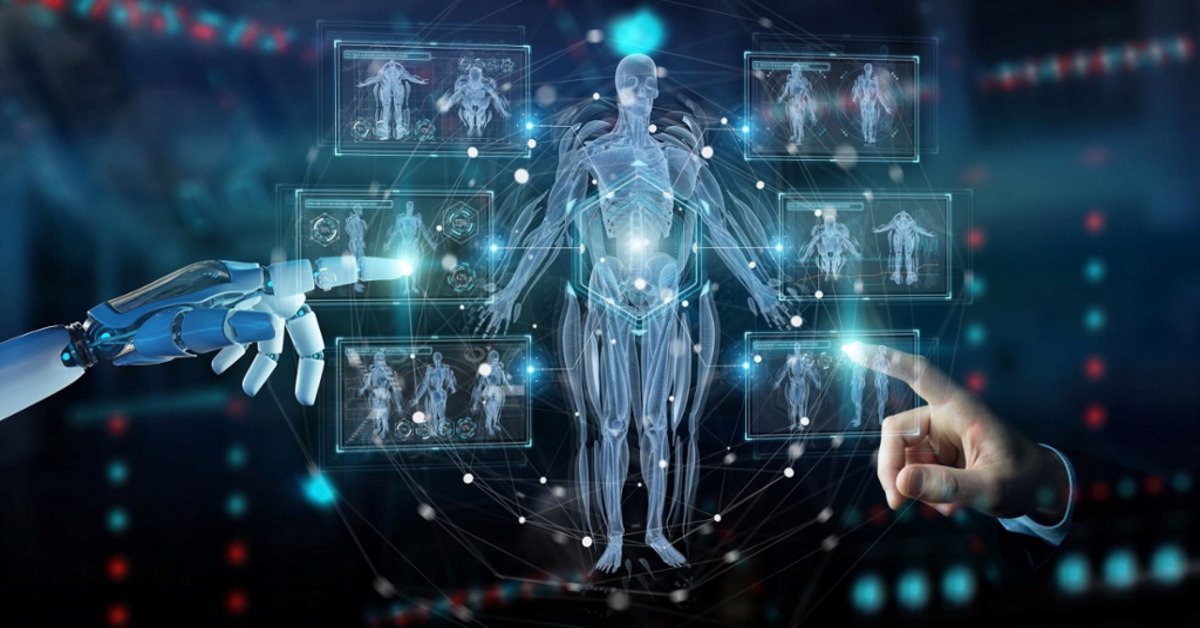

Artificial Intelligence (AI) has emerged as a transformational force in the field of medical imaging, significantly enhancing the capabilities of diagnostic tools and practices. Its integration into this sector has been primarily driven by advancements in deep learning, machine learning algorithms, and image processing technologies. As a result, AI has improved the accuracy of diagnoses by allowing for more precise interpretation of medical images, helping healthcare professionals detect conditions that might be missed by the human eye.
The role of AI in medical imaging extends beyond mere diagnostics. It is also instrumental in streamlining workflows, thereby increasing efficiency within radiology departments. Traditional imaging practices are often hindered by time constraints and substantial workloads; however, the implementation of AI can reduce the time required for image analysis and interpretation. Automated processes allow radiologists to focus on more complex cases, ultimately resulting in improved patient care and outcomes.
Moreover, the impact of AI on patient care cannot be overstated. Timely and accurate diagnoses lead to faster treatment interventions, which are critical in critical conditions such as cancer or neurological disorders. As AI continues to evolve, it improves communication among healthcare providers and facilitates better decision-making, contributing to an overall enhancement in patient service and satisfaction.
As we observe these technological advancements, it is essential to recognize AI’s broader applications in the healthcare sector, which range from predictive analytics to personalized medicine. These innovations not only pave the way for robust medical imaging solutions but also hold the potential to revolutionize how healthcare is delivered globally. The significance of AI in medical imaging is thus profound, positioning itself as a cornerstone of modern healthcare practices that aim to improve diagnostics and patient treatment pathways.
According to the DPI Research, the United States AI in medical imaging market size was valued at USD 524 million in 2024 and is projected to hit around USD 6,765 million by 2033, growing at a whopping CAGR of 32.8% during the forecast period 2025 to 2033.
The U.S. market for AI in medical imaging is characterized by a diverse array of companies pioneering advanced technologies that enhance diagnostic capabilities. One prominent player is Aidoc, which employs deep learning algorithms to assist radiologists in identifying critical conditions swiftly. Their solutions are designed to integrate seamlessly into existing workflows, significantly improving response times for conditions such as intracranial hemorrhages.
Another key contributor is Viz.ai, known for its innovative approach that utilizes artificial intelligence to facilitate the triage process in stroke care. Their platform effectively analyzes brain scans and alerts specialists within minutes, ultimately leading to timely interventions and better patient outcomes. The incorporation of AI into imaging not only streamlines diagnostics but also enhances the decision-making process for healthcare professionals.
ICAD is also noteworthy, as it focuses on the implementation of AI to detect breast cancer and other malignancies. Their imaging solutions leverage machine learning models that improve the accuracy of radiological assessments, assisting radiologists in making more informed decisions with increased confidence in their evaluations.
HeartFlow stands out in the realm of cardiac imaging by providing non-invasive assessments of coronary artery disease through advanced computational fluid dynamics and AI algorithms. This approach allows for personalized treatment planning by accurately modeling blood flow in individual patients, thereby ensuring a comprehensive evaluation of cardiovascular health.
Other significant players include Zebra Medical Vision, which offers a broad range of imaging analysis tools, and Qure.ai, recognized for its focused solutions aimed at tackling tuberculosis detection through chest radiographs. Each company contributes uniquely to this rapidly evolving market, as they employ distinctive AI methodologies that not only advance imaging capabilities but also strive to achieve better clinical outcomes. This competitive landscape highlights the ongoing innovation and commitment to improving patient care through artificial intelligence in medical imaging.
The landscape of medical imaging is currently experiencing a significant transformation, largely driven by advancements in artificial intelligence. One of the most notable trends is the integration of deep learning algorithms, which has proven to enhance the accuracy and efficiency of image analysis. These algorithms enable machines to learn from vast datasets, identifying patterns that might be imperceptible to human observers. As these technologies continue to evolve, they promise to revolutionize diagnostic processes across various medical specialties.
Another emerging trend is the rise of cloud-based imaging solutions. By leveraging the power of cloud computing, healthcare providers can access, store, and share medical images with enhanced flexibility and scalability. This shift not only improves collaboration among medical professionals but also aids in managing the vast amounts of imaging data generated daily. As more healthcare organizations embrace cloud solutions, the propensity for AI in medical imaging to deliver real-time assessments will likely expand, ultimately improving patient outcomes.
Regulatory considerations present both challenges and opportunities for the growth of AI in medical imaging. The increasing complexity of compliance requirements necessitates that companies remain vigilant about adhering to industry standards while innovating. Equally importantly, there is a growing emphasis on data privacy and security. As AI applications are developed, ensuring the protection of patient information will be paramount, thereby reinforcing trust in these technologies.
Looking ahead, emerging technologies such as augmented reality (AR) and virtual reality (VR) are poised to complement AI-driven medical imaging. These tools can further enhance visualization and interpretation of complex data, fostering a more comprehensive diagnostic process. The convergence of AI with these innovative technologies underscores a promising future for medical imaging, where enhanced accuracy, efficiency, and patient security are prioritized.







[…] the influenza vaccines market has evolved significantly. Early formulations of vaccines were met with skepticism and limited […]
[…] the newly acquired capital, Medyseva plans to expand its phygital healthcare clinics. This expansion is set to enhance its telemedicine […]
[…] has rapidly transformed itself into a prominent hub for wellness tourism, capitalizing on its unique blend of luxury and innovation. The city has […]
[…] the competition in the digital realm has intensified, compelling businesses to adopt advanced SEO techniques to secure a competitive advantage. Companies are increasingly […]
[…] a landmark move within the digital marketing landscape, Adobe Systems Incorporated has announced its acquisition of Semrush for a staggering […]